

.png)
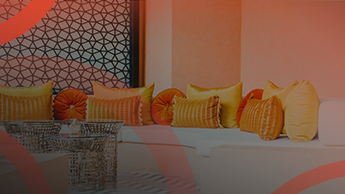
The concept of hospitality, design innovation and luxury experience has been transformed into one of the most influential global centers that are situated in the UAE. In their pursuit to stand out in the market, the hotels in that area are resorting to interior design as millions of foreigners arrive in Dubai and Abu Dhabi every year. One of the most powerful strategies for creating standout hotel interiors is the integration of authentic UAE cultural elements--design features that reflect the region's heritage, traditions and artistic identity.
At The Zoom Interior and Contracting, we specialize in merging Emirati cultural aesthetics with modern luxury to craft hotel interiors that are immersive, meaningful and unforgettable.
This article discusses the ways the UAE cultural aspects might be intelligently integrated into the design of the hotel in order to enhance the guest experience and reinforce the brand that the hotel belongs to.
Appreciating the Worth of Cultural Design in Hospitality
The design of a hotel is not limited to appearance; it is about developing experiences. Tourists visit the UAE and they want something that is the one that is local, something that reflects the soul of the country. Culturally-informed hotel interiors allow guests to feel the essence of the UAE from the moment they enter the building.
Hotels that embrace the aspects of culture will have:
- Higher guest satisfaction
- Greater brand recognition
- More repeat bookings
- Greater emotional attachments
- Luxury hospitality market competitiveness
Cultural interior design does not imply the decoration of rooms with artifacts or imitating historical buildings. Rather, it is about creating a contemporary luxurious story with significant cultural influence to it. This harmony produces an advanced atmosphere that does not ruin the UAE tradition but rather promotes comfort and practicality.
The major UAE Cultural Aspects in Hotel interior design
Conventional Geometric Patterns and Islamic Art
Emirati design is based on geometric artistry. These patterns are symbolic and even more captivating to the eye. Geometric designs can be reworked using arabesque motifs, star tessellations and other elements to beautify various hotel spaces.
Applications include:
- Wooden mashrabiya partitions.
- Laser-cut geometric screen feature walls.
- Ceiling patterns with light designs.
- Flooring, artistic or custom tiles.
- Textile prints on cushions, carpet floors or curtains.
These patterns make it rich in details, rhythmic and culturally rich at the same time, having a modern look. The Zoom Interior and Contracting provides the option of fashioning it to suit the project, a simple fact that is scaled and each geometric component is customized.
Cordial colors and Desert Themed palette
The culture has been influenced by the desert environment of the UAE. Earth-toned palettes warm beiges, muted golds, clay reds and rich browns bring the region's natural beauty into hotel interiors.
These colors create:
- A grounding atmosphere
- Warm, welcoming spaces
- esthetic unity in both the state and personal space
Combined with the current lighting or surfaces, these desert colors are modern and regional at the same time.
Sustainability is supported by natural materials like sandstone, ethically obtained wood, textured plaster, clay and limestone, all of which represent traditional architecture.
Authentic Emirati Craftsmanship
Emirati craftsmen are also famous as skill of woodworking, weaving, pottery and metalwork. The use of crafted materials helps to add authenticity and promotes local creative businesses.
Examples include:
- Hand-carved wooden doors
- Weaving-inspired textiles
- Conventional sadu fabric accents
- Decorative items made of brass and copper
- Personalized lantern lamps
Hotels investing in handcrafted items can experience increased aesthetic quality, as well as positive reaction of the guests, who feel that the item is personal, meaningful and connected with the culture.
The Zoom Interior and Contracting is a team that is working with local artisans to provide the hotel projects with the authentic one-of-a-kind pieces.
Lantern-Lighting Design Inspirations
The lighting heritage of the Emirati is made up of traditional fanous lanterns. With complex holes and cozy metallic textures, these lanterns have been used as the inspiration of numerous modern interpretations that can be used in hospitality settings.
The modern applications are:
- Patterned pendant lights
- Brass-finished wall sconces
- Lamps of the ceiling with holes in the shade
- Relaxed chandeliers based on historic lantern shapes
Lighting is one of the most impactful elements in hotel interiors. Culturally inspired lighting makes regular areas a source of atmosphere and immersion.
Water Features and Courtyard-Inspired Spaces
The Emirati culture associates water with life, purity and prosperity. Previously, an inner yard with fountains was used in homes and it naturally cooled the air.
Hotels can implement the concept by:
- Indoor or lobby fountains
- Reflective pools
- Courtyards were incorporated in contemporary atriums.
- Waterfall walls
- Spa water features
These characteristics increase acoustic comfort, relaxation and aestheticism.
The principles of design in integrating the cultural elements in UAE
Strike a balance between Authenticity and Modern Luxury
There are modern amenities that guests need and cultural factors must contribute to modern comfort and not to limit it.
Examples include:
- Lighting geometrical patterned headboards
- Soft fabrics with minor cultural designs
- Contemporary furniture that is detailed by traditional craftsmanship
- The balance is a key to the luxury hospitality design
Design Storytelling Interiors
Hotel interiors should tell a cohesive cultural story. They do not need to be the same in all the areas of the hotel, but everything in it should serve to build one story.
For instance:
- Lobby: daring cultural expressions and melodrama
- Guest rooms: warm and modest cultural influences
- Dining spaces: rich textures, local colors and traditional lighting
Narrative design assists hotels in distinguishing themselves in the competitive market.
Use High-Quality Materials
Rather than filling it with a large number of cultural pieces, choose a few but of better quality. High-end craftsmanship brings the space higher and solidifies the luxury requirements.
Examples include:
- There is one large mashrabiya feature wall
- A unique chandelier made by hand
- In-house collection of classic art pieces brought together by professionals
This method is not full of graphic effects and contributes to the sophistication of the design.
Collaborate With Cultural and Design Experts
The collaboration with cultural consultants, historians and Emirati artists makes it authentic and precise. Mistakes may be aesthetic or cultural blindness as a result of misinterpretation.
The Zoom Interior and Contracting makes sure that every cultural aspect is taken into consideration in a respectful, knowledgeable and artistic way.
Cultural Design Applications in Hotel Spaces
Lobbies & Public Areas
The first and most influential point of interaction of a guest is the lobby. An image of luxury, identity and a sense of place can immediately be passed across through a culturally inspired lobby.
Elements that work well:
- Lighting in the vein of lanterns
- Geometric carvings on the feature walls
- Flooring made of marble or stone, with a slight cultural accent
- The seating plan in the form of a courtyard
- Ornamented water structures
These aspects make the lobby an experience to be remembered.
Guest Rooms
Guest rooms must include some slight cultural hints, though relaxation and comfort should be of prime importance.
Design ideas include:
- Geometrically-inspired bedside lamps
- Wall painting, desert scenery or rural scenes
- Embroidery in fabrics of the sadu weaving style
- Natural desert-colored palette
- Hardware and lighting finishes are made of brass or copper
The whole equilibrium of delicacy and reality opens a calming atmosphere and cultural richness.
Dining Areas and Restaurants
There is a strong tendency among hotels in the UAE to adopt the concept of immersive dining, based on a traditional approach to hospitality and food.
Examples:
- On-the-inspiration seating areas of Majlis
- Coziness based on lantern traditions
- The color schemes are based on Emirati fabrics
- Ornamental metalwork and pottery
- There are accent walls that are done with handcrafted tiles
These design attributes promote the dining experience and complement UAE cuisine.
Spa and Wellness Zones
The inspiration of the spa design can be based on traditional hammams, desert curing and domestic wellness culture.
Effective elements include:
- Earth-toned walls
- Natural stone materials
- The lantern light forms were the source of inspiration.
- Sensory relaxation water features.
- Stone walls imitating deserts.
These are part of calm and culturally-based wellness experiences.
The Business Case for Culturally-Informed Hotel Interiors
Hotels with the inclusion of local culture do not only gain advantages in the following ways:
Enhanced brand identity
Whether it is a good or bad cultural experience, it is more likely that the guests will remember the hotel.
High premium pricing capability
Quality, genuine interiors should support higher room rates.
Improved guest reviews
Tourists value local designs based on the local culture.
Sustainability benefits
Local materials and artisans work limit the environmental impact.
Competitive advantage
Aesthetics Hotel Hotels that are culturally inclined are distinctive in the overcrowded hospitality industry of Dubai.
Collaborating with Working Professional Interior Contractors
To incorporate the cultural design aspects, it is necessary to:
- The choice of materials is made by experts
- Professional craftsman work
- Precision fabrication
- Familiarity with contemporary building requirements
- Aesthetic and functional harmony
The Zoom Interior and Contracting provides end-to-end hospitality design services, which include:
- Commercial Interior Design
- Design Consulting
- Custom Fabrication
- Renovation of Residential and Hotel Interior
So we have a team of people that make sure that all cultural aspects are done in a masterful manner that is both innovative and of technical quality.
Final Summary
Culturally-inspired hotel interiors represent more than a design trend--they are a celebration of the UAE's heritage and identity. Traditional patterns, crafted textures, desert colors and significant structure will allow the hotels to create the immersive spaces, which will be reachable by all their guests across the world.
Whether you are coming up with a new hotel development or renovating an old building, The Zoom Interior and Contracting will be your reliable companion in the fusion of the cultural authenticity and contemporary luxury. Hospitality design experience in UAE will make your project as beautiful as possible and culturally, commercially successful.
Frequently Asked Questions
What makes hotel interiors unique in the UAE?
Hotel interiors in the UAE stand out due to cultural elements like geometric patterns, warm desert tones and handcrafted Emirati materials.
How do cultural designs improve hotel interiors?
Cultural elements create immersive, memorable hotel interiors that reflect UAE heritage and elevate guest experience.
Why use geometric patterns in hotel interiors?
Geometric Islamic patterns add depth, authenticity and luxury to hotel interiors while honoring regional artistic traditions.
Can modern luxury blend with traditional hotel interiors?
Yes. The integration of the modern amenities with the traditional aspect is perfect when the expert contractors such as The Zoom Interior and Contracting are involved in the design.
Who can design culturally inspired hotel interiors in Dubai?
The Zoom Interior and Contracting specializes in culturally rooted hotel interiors with custom fabrication and expert design services.